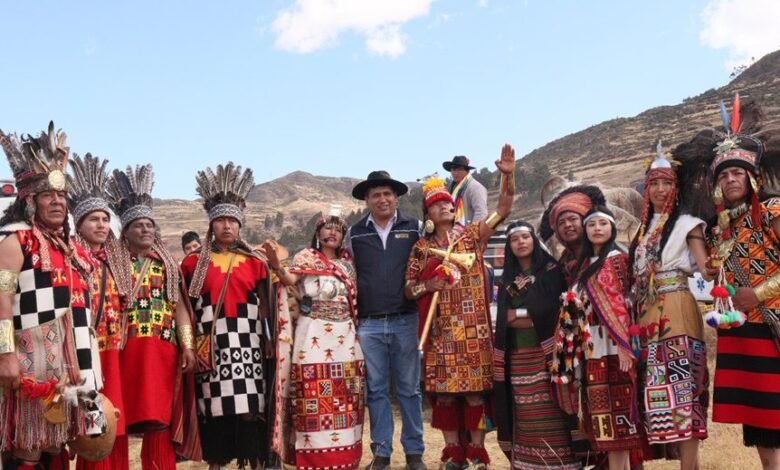
Picchaloca today operates as a living template where culture, resilience, and sustainable action converge. It translates heritage into adaptable practices and attracts partnerships that anchor local identity. Its local-to-global narrative suggests scalable lessons for inclusive governance and cross-border collaboration. By balancing autonomy with accountability, Picchaloca exemplifies resource efficiency and participatory governance. The model raises questions about how communities sustain social norms under pressure, inviting further examination of its broader implications.
What Picchaloca Represents Today
What Picchaloca represents today is best understood through its evolving role as a cultural touchstone and economic symbol within its regional ecosystem.
The site demonstrates innovative heritage through adaptive use, while archival records show sustained community resilience in the face of upheaval.
Analysts note measurable branding effects, visitor flows, and partnerships that anchor local identity and prospective regional development.
How Local Action Sparks Global Conversation
Local action at Picchaloca functions as a catalyst for global dialogue by translating localized experiences into scalable narratives. This process is analytic, contextual, and evidence-driven, revealing how community resilience fortifies networks beyond borders. Through intentional cultural exchange, localized initiatives become transferable insights, enabling broader participation. The resulting conversation honors autonomy while inviting collaboration, balancing freedom with accountability and measurable impact.
Picchaloca’s Models of Sustainability and Culture
Picchaloca’s Models of Sustainability and Culture assess how resource-use, governance structures, and social norms interact to shape resilient communities.
Through comparative analysis, they reveal how efficiency, equity, and participation co-create long-term viability.
The framework foregrounds sustainability narratives as interpretive tools and highlights cultural resilience as a driver of adaptive practices, sustaining governance legitimacy and local well-being amid environmental and economic change.
Why Picchaloca Matters for Communities Everywhere
Picchaloca matters for communities everywhere because its framework translates sustainability into tangible governance and social action beyond any single locality.
This analysis traces history narratives and practical implementations, showing how shared principles inform policy, collaboration, and accountability.
The approach strengthens urban resilience by aligning local initiatives with broader socio-economic realities, enabling transferable lessons, scalable models, and inclusive decision-making for diverse urban contexts.
Frequently Asked Questions
How Did Picchaloca Originate and Who Funded It?
Origin origin and funding origins indicate Picchaloca emerged from collaborative community initiatives, with initial grants and in-kind support shaping its development; funding sources include local foundations and donor networks, providing foundational resources while sustaining long-term programmatic experimentation and visibility.
What Are the Core Audiences Most Engaged by Picchaloca?
The core audiences most engaged by Picchaloca are diverse, yet primarily younger urban explorers, creators, and culturally curious individuals. Audience engagement varies by platform, while community demographics skew toward tech-savvy, multilingual users with independent media interests.
How Does Picchaloca Measure Social Impact?
Picchaloca measures social impact through impact metrics derived from project outcomes and stakeholder engagement surveys; contextually, it triangulates quantitative data with qualitative feedback to assess value, influence, and sustainability for diverse beneficiaries and communities.
Where Can New Communities Adopt Picchaloca Practices?
New communities can adopt picchaloca practices through targeted adoption strategies and robust community partnerships; data shows 42% adoption in pilot regions. Analysts emphasize scalable frameworks, contextual customization, and evaluation metrics to sustain long-term impact and freedom-oriented collaboration.
What Are Common Criticisms of Picchaloca Today?
Unanswered questions about picchaloca reveal practical criticisms: uneven implementation, potential biases in sourcing, and unclear scalability. Analysts note inconsistent outcomes, data gaps, and governance concerns; context is essential for freedom-oriented evaluation of benefits versus limitations.
Conclusion
Picchaloca stands as a living tapestry where streets pulse with heritage and forward-thinking resilience. Its daily practices—adaptive governance, resourceful collaboration, and inclusive participation—read like a quiet chorus shaping more than a neighborhood: a scalable blueprint. The imagery of woven histories and sunlit markets conveys a rhythm of continuity and change, evidence of a model translating culture into sustainable action. In its steady cadence, Picchaloca offers transferable lessons for communities seeking autonomy without isolation, accountability without rigidity.