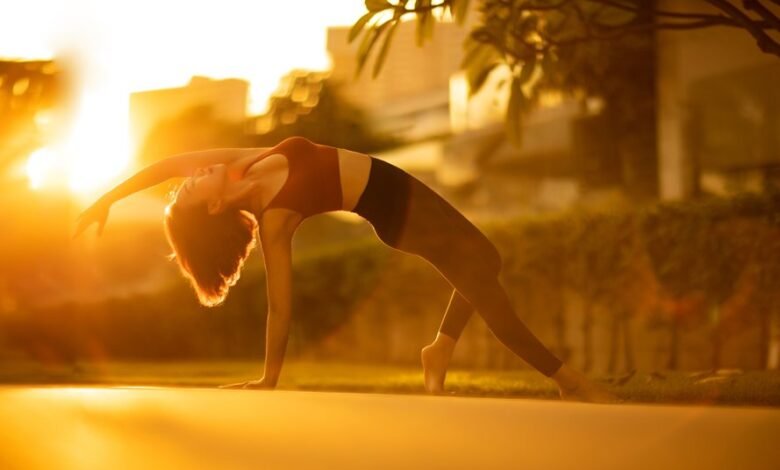
Anttavasana offers a brief, structured pause that can reset attention and reduce cognitive load in a high-demand world. It supports parasympathetic balance and steadier breath, signaling calmer nervous system functioning. Practitioners describe clearer thinking and more resilient self-regulation, even under ongoing stress. The approach is compassionate and evidence-informed, centered on the individual’s experience. Its potential outcomes invite further exploration as the practice guides intention toward breath and posture—leaving a quiet prompt to continue and reflect.
How Anttavasana Recharges Your Attention
Anttavasana offers a brief, structured pause that can reset attention by reducing cognitive load and soothing the autonomic nervous system. The practice supports mindful rest, allowing the mind to settle and resources to replenish without judgment.
The Nervous System Reset It Provides
The previous discussion on how Anttavasana recharges attention naturally leads to examining its impact on the nervous system.
The practice fosters mindfulness clarity by signaling the body to release tension, supporting a parasympathetic reset.
In quiet, observable changes, individuals may notice steadier breath, calmer sensations, and improved cognitive focus, reinforcing a compassionate, client-centered path toward greater freedom.
Practical Steps to Practice Anttavasana Daily
Under a structured routine, practitioners can integrate Anttavasana into daily life by treating it as a brief, selective pause that recalibrates attention and autonomic balance. Anttavasana mindfulness supports gentle nervous system regulation through brief, intentional stillness, while Daily breathwork anchors present awareness.
This practical approach emphasizes consistency, compassion, and autonomy, enabling sustainable, evidence-informed self-care without overwhelming daily commitments.
Anttavasana for Resilience in Work and Life
In modern work and daily life, resilience emerges as the ability to return to balance after stress, and Anttavasana offers a brief, accessible tool to support that process. This Anttavasana exploration highlights practical embodiment strategies that cultivate calm, focus, and adaptive response.
The emphasis on resilience provides clients with a compassionate, evidence-based path, aligning intention, breath, and posture for flexible, freedom-minded living. resilience emphasis
Frequently Asked Questions
How Soon Can You Feel Benefits From Anttavasana?
Anttavasana benefits may begin within sessions as participants fade into stillness and synchronize breath pacing, with early improvements often reported in relaxation and focus. Sustained practice fosters deeper regulation, resilience, and freedom from stress for ongoing emotional and physical balance.
Is Anttavasana Suitable for Beginners With Back Pain?
“Take it easy and go slow.” Anttavasana may be suitable for beginners with back pain when guided carefully, with breathing cues and spacing considerations prioritized to minimize discomfort and maximize safety, empathy, and evidence-based, client-centered support.
Can Anttavasana Replace Regular Exercise or Therapy?
Anttavasana cannot replace regular exercise or therapy; tentative benefits may exist, but safety concerns demand professional guidance. It should complement, not substitute, evidence-based treatment, with a compassionate, client-centered approach that supports autonomy and informed, freedom-seeking choices.
How Long Should a Typical Anttavasana Session Last?
A typical anttavasana session lasts about 10–20 minutes, depending on the individual. It emphasizes mindful breathing and posture alignment, supported by a compassionate, evidence-based approach that respects autonomy and fosters a sense of freedom for the client.
Does Anttavasana Require a Yoga Mat or Special Equipment?
Anttavasana does not require a specific mat; however, mat necessity varies with surface comfort. Some practitioners benefit from blankets or blocks as alternative props. Equipment is optional, chosen compassionately; evidence supports accessibility and client-centered customization for freedom-seeking practitioners.
Conclusion
In a quiet harbor, a weary sailor lowers a sun-warmed anchor—the mind’s Anttavasana. The sea no longer rushes; the current slows, letting each breath map a safer course. With steady breaths, the compass steadies, and attention returns, unhurried. This small harbor, daily visited, teaches resilience not by force but by pause—evidence-safe and person-centered. For sailors of work and life, the practice tethers overwhelm to clarity, inviting compassionate choices and calmer seas, one mindful pause at a time.