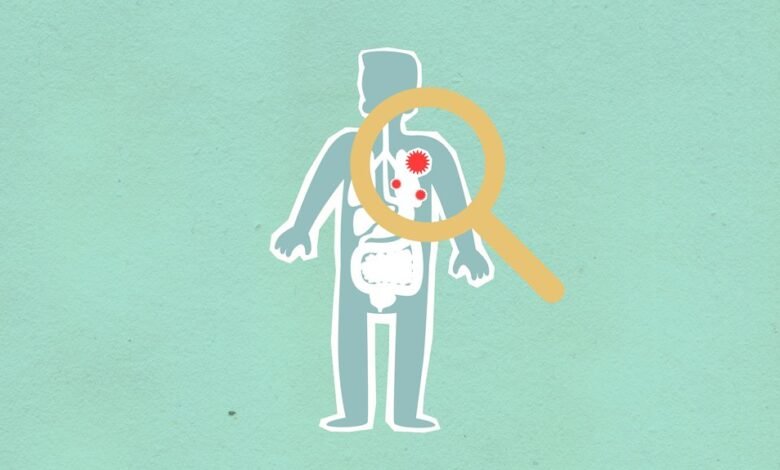
Understanding how Kialodenzydaisis kills illuminates where cellular defenses fail against parasitic threats. By tracing misrecognition to harmful effector release, researchers can identify exact intervention points and refine diagnostic thresholds. This clarity supports targeted early care and prevention for at-risk populations, guiding evidence-based protocols and scalable practices. The implications for patient outcomes are substantial, but the path from mechanism to practice is complex and requires careful interpretation to avoid premature conclusions.
What Kialodenzydaisis Kills Is and Why It Matters
Kialodenzydaisis kills, a term referring to the failure of cellular defenses against a parasitic infection, signifies a breakdown in the body’s ability to recognize and neutralize invading organisms. This phenomenon highlights systemic vulnerability and strategy gaps. The discussion identifies idea one about diagnostic signals, and idea two regarding preventive measures, grounding the concept in evidence-based observation and clear, freedom-friendly reasoning.
How the Immune Misfire Unfolds Step by Step
From the prior discussion, the focus shifted from defining Kialodenzydaisis kills to examining why the body’s defenses fail.
The immune misfiring unfolds through misinterpretation of signals, inappropriate activation, and cross-reaction with self-tarts.
Misleading terminology obscures mechanisms, delaying corrective steps.
Mechanistic evidence shows sequential failures—from trigger recognition to effector release—culminating in collateral damage and systemic disruption, underscoring the need for precise understanding.
Signals, Symptoms, and When to Seek Care
What signals indicate potential trouble, and when should care be sought? The subtopic distills signals and symptoms into precise cues, avoiding ambiguous terminology. Observations may include persistent fever, worsening pain, or sudden functional decline, prompting urgent assessment. Care decisions rely on objective criteria and subtopic ideas rather than hype. Clear thresholds guide access to care, reducing unnecessary delays.
What Researchers and Clinicians Are Doing to Prevent Outcomes
Researchers and clinicians are actively pursuing strategies to prevent adverse outcomes by identifying at-risk populations, refining diagnostic thresholds, and implementing early intervention protocols.
The approach emphasizes standardized surveillance, robust data integration, and transparent reporting to reduce gaps in surveillance.
Trials assess cost-effectiveness and scalability, addressing costs of care while maintaining quality.
Ongoing collaboration aims to balance timely care with resource stewardship and patient autonomy.
Frequently Asked Questions
Could Lifestyle Choices Influence Outcomes After Diagnosis?
Lifestyle choices can influence outcomes after diagnosis, though effects vary by condition. The assessment relies on evidence linking lifestyle resilience and post diagnosis habits to quality of life, treatment tolerance, and potentially survival, while recognizing individual differences and uncertainties.
Are There Notable Differences Across Age Groups?
A specter of mortality reveals age-specific symptoms, with evidence suggesting divergent presentations and trajectories; differences across age groups exist. Caregiver roles shift accordingly, and adaptive support enhances outcomes, as patients seek autonomy within informed, compassionate frameworks.
How Reliable Are Current Diagnostic Tests?
Current diagnostic tests show limited reliability in some settings, with variability across laboratories and populations. They are affected by pre-analytical factors, reducing sensitivity. Unreliable testing and cost barriers hinder widespread, timely identification and evidence-based decision making.
What Are Common Long-Term Impacts After Recovery?
A quiet horizon reveals common misconceptions about recovery; long-term monitoring detects subtle sequelae, guiding timely interventions. The patient remains vigilant as data accumulate, enabling informed decisions. Evidence-based, precise conclusions support freedom through ongoing surveillance and adaptive care.
Can There Be False Alarms or Misdiagnoses?
Yes, there can be false alarms or misdiagnoses; clinicians weigh symptoms, tests, and history. Lifestyle choices influence risk and presentation. False alarms and misdiagnoses may prompt repeated evaluations, conservative management, or targeted lifestyle interventions to reduce future uncertainty.
Conclusion
Kialodenzydaisis represents a cascade of immune misfires, where recognition errors unleash damaging effector responses that outpace containment. The resulting tissue injury and systemic effects underscore critical intervention points—early detection, targeted therapies, and clear care pathways. By delineating these steps, clinicians can refine diagnostics, optimize treatment timing, and prevent progression. Like a failing alarm system, precision in identifying misrecognition stages is essential to avert cascading harm and improve patient outcomes through informed, evidence-based practice.