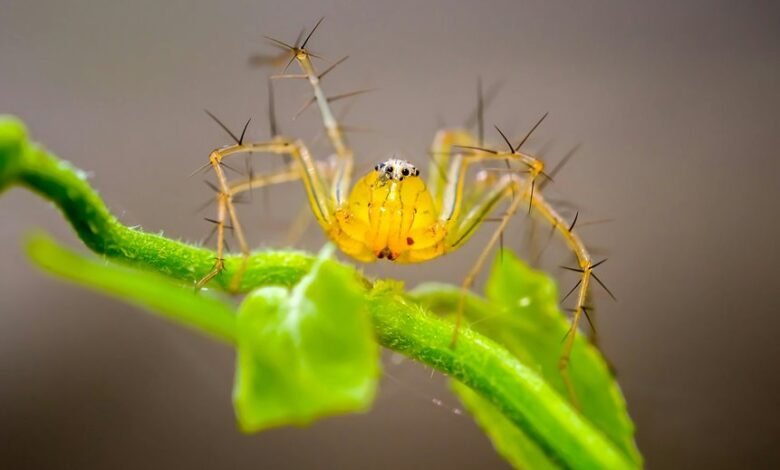
The world’s most poisonous spider possesses a potent neurotoxic venom that plays a vital role in its ecosystem. Found predominantly in warm, arid regions, its ambush hunting techniques allow for efficient prey capture. Understanding its specialized adaptations and behavioral patterns is essential for coexisting safely with this arachnid. However, the implications of its venom on both prey and potential human encounters raise important questions about ecological balance and risk management.
Characteristics of the Most Poisonous Spider
Although various species of spiders possess venom, the most poisonous spider is characterized by its potent neurotoxic properties, primarily attributed to the presence of specific proteins in its venom composition.
This venom, which disrupts neural function, is delivered through specialized fangs within the spider’s anatomy. The intricate design of these anatomical features allows for efficient envenomation, maximizing the spider’s predatory efficacy.
Natural Habitat and Distribution
The natural habitat and distribution of the world’s most poisonous spider are closely linked to its ecological requirements and behavioral adaptations.
This species exhibits specific habitat preferences, thriving in warm, arid regions where shelter and prey are abundant.
Its geographical range extends across various continents, predominantly in temperate climates, which support its survival and reproductive success, thereby influencing local ecosystems significantly.
Behavior and Hunting Techniques
Many species of spiders exhibit diverse behaviors and hunting techniques, but the world’s most poisonous spider employs a particularly effective strategy that maximizes its predatory efficiency.
This spider exhibits specific prey preferences, targeting insects that provide optimal nutritional value.
Its hunting strategies include ambush tactics and rapid strikes, allowing it to incapacitate prey swiftly, ensuring minimal energy expenditure while enhancing survival in competitive environments.
Safety Precautions and Coexistence
While encounters with the world’s most poisonous spider can be alarming, understanding safety precautions and fostering coexistence can significantly mitigate risks.
Implementing preventive measures, such as maintaining clean environments and sealing potential entry points, is crucial.
Additionally, coexistence strategies, including educating communities about spider behavior and encouraging respect for their ecological role, promote safer interactions and enhance overall biodiversity, ultimately benefiting both humans and spiders.
Conclusion
In the intricate tapestry of nature, the world’s most poisonous spider serves as a reminder of the delicate balance within ecosystems. Its formidable venom, while a source of trepidation, plays a vital role in regulating insect populations, subtly guiding the flow of life. By adopting a respectful approach and understanding its ecological significance, humans can foster a harmonious coexistence with this remarkable arachnid, ultimately embracing the complexity and beauty of biodiversity without fear.