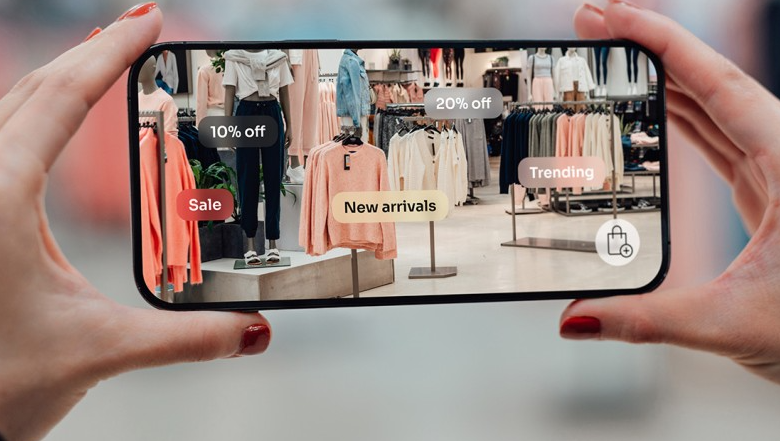
Augmented Reality is transforming the retail landscape by redefining how consumers interact with products. This technology enhances the shopping experience through virtual try-ons, helping buyers visualize items in real-time. The implications extend beyond mere convenience; AR fosters consumer confidence and influences purchasing decisions. As retailers increasingly adopt these immersive technologies, the overall impact on sales and return rates warrants a closer examination of how this shift is reshaping traditional shopping behaviors.
The Rise of Augmented Reality in Retail
As retailers increasingly seek innovative ways to enhance customer experiences, the incorporation of augmented reality (AR) has emerged as a transformative force in the industry.
Virtual try-ons allow customers to visualize products in real-time, reducing uncertainty in purchasing decisions.
Additionally, interactive displays leverage AR technology to create engaging shopping environments, fostering deeper connections between brands and consumers and ultimately revolutionizing the retail landscape.
Enhancing Customer Experience Through Immersive Technology
The integration of immersive technology in retail extends beyond augmented reality to encompass a range of digital experiences that significantly enhance customer interactions.
Virtual fitting rooms allow consumers to try on clothing virtually, fostering confidence in purchase decisions.
Additionally, interactive displays create engaging environments that capture attention, providing tailored product information and recommendations, ultimately transforming the shopping experience into a more personalized and enjoyable journey.
The Impact of AR on Sales and Return Rates
While many retailers have begun to embrace augmented reality (AR) as a tool for enhancing the shopping experience, its impact on sales and return rates has emerged as a critical area of focus.
By utilizing virtual fitting technologies, businesses have improved consumer engagement, leading to increased sales and reduced return rates.
This innovative approach allows shoppers to make informed decisions, ultimately fostering greater satisfaction and loyalty.
Conclusion
As augmented reality continues to redefine the retail landscape, it transforms the shopping experience akin to the introduction of the shopping mall in the 20th century. By immersing consumers in interactive environments that offer real-time product visualization, AR not only enhances confidence in purchasing decisions but also reduces return rates. This technological evolution signifies a paradigm shift in consumer expectations, paving the way for a future where shopping is not merely transactional but an engaging, personalized journey.