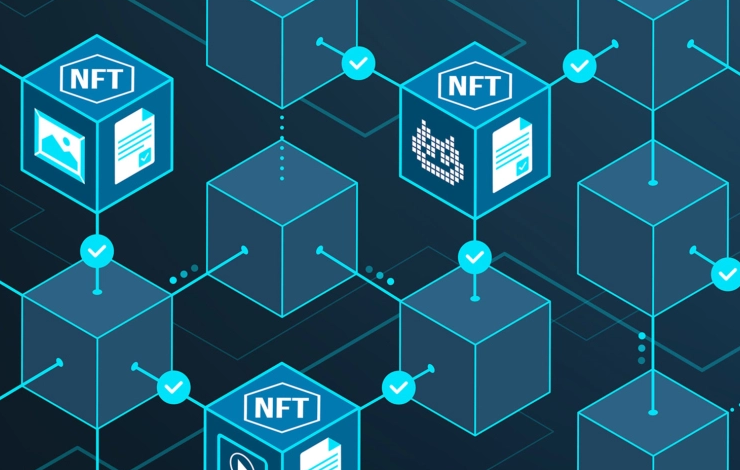
Blockchain technology operates through a decentralized network, where nodes validate and record transactions. Each transaction forms a block, linked cryptographically to create an immutable chain. This structure ensures data integrity and prevents unauthorized alterations. Consensus mechanisms, like proof-of-work or proof-of-stake, further secure the network by requiring participant agreement. Understanding these components reveals not just how blockchain functions, but also its potential ramifications across various sectors. What follows will explore these intricacies in detail.
Understanding the Structure of Blockchain
How does the structure of blockchain facilitate its unique properties?
The blockchain components, including blocks, nodes, and the decentralized ledger, enable secure data storage and transparency.
Each block contains a cryptographic hash of the previous block, ensuring integrity and immutability.
This decentralized approach minimizes the risk of censorship and fosters trust among users, aligning with the principles of autonomy and individual freedom.
The Process of Transaction Verification
Transaction verification in blockchain operates through a systematic and decentralized process that enhances security and trust.
This process involves transaction validation, where nodes assess the legitimacy of proposed transactions.
Consensus mechanisms, such as proof-of-work or proof-of-stake, ensure agreement among participants, preventing fraudulent activities.
See also; How Automation Helps Businesses
Applications and Implications of Blockchain Technology
The versatility of blockchain technology has led to its adoption across various industries, revolutionizing traditional processes and introducing innovative solutions.
Smart contracts automate agreements, enhancing efficiency and reducing reliance on intermediaries.
Decentralized applications (dApps) empower users by providing transparent, tamper-proof environments for a multitude of services, from finance to supply chain, thereby promoting autonomy and redefining ownership in the digital age.
Conclusion
In summary, blockchain technology represents a paradigm shift in transaction verification and data integrity. As the saying goes, “Trust but verify”—this principle is embodied in blockchain’s decentralized consensus mechanisms, which bolster security and transparency. The implications of this technology extend beyond cryptocurrencies, influencing various sectors such as finance, supply chain, and healthcare. As blockchain continues to evolve, its potential to revolutionize traditional systems and enhance trust in digital interactions remains significant.